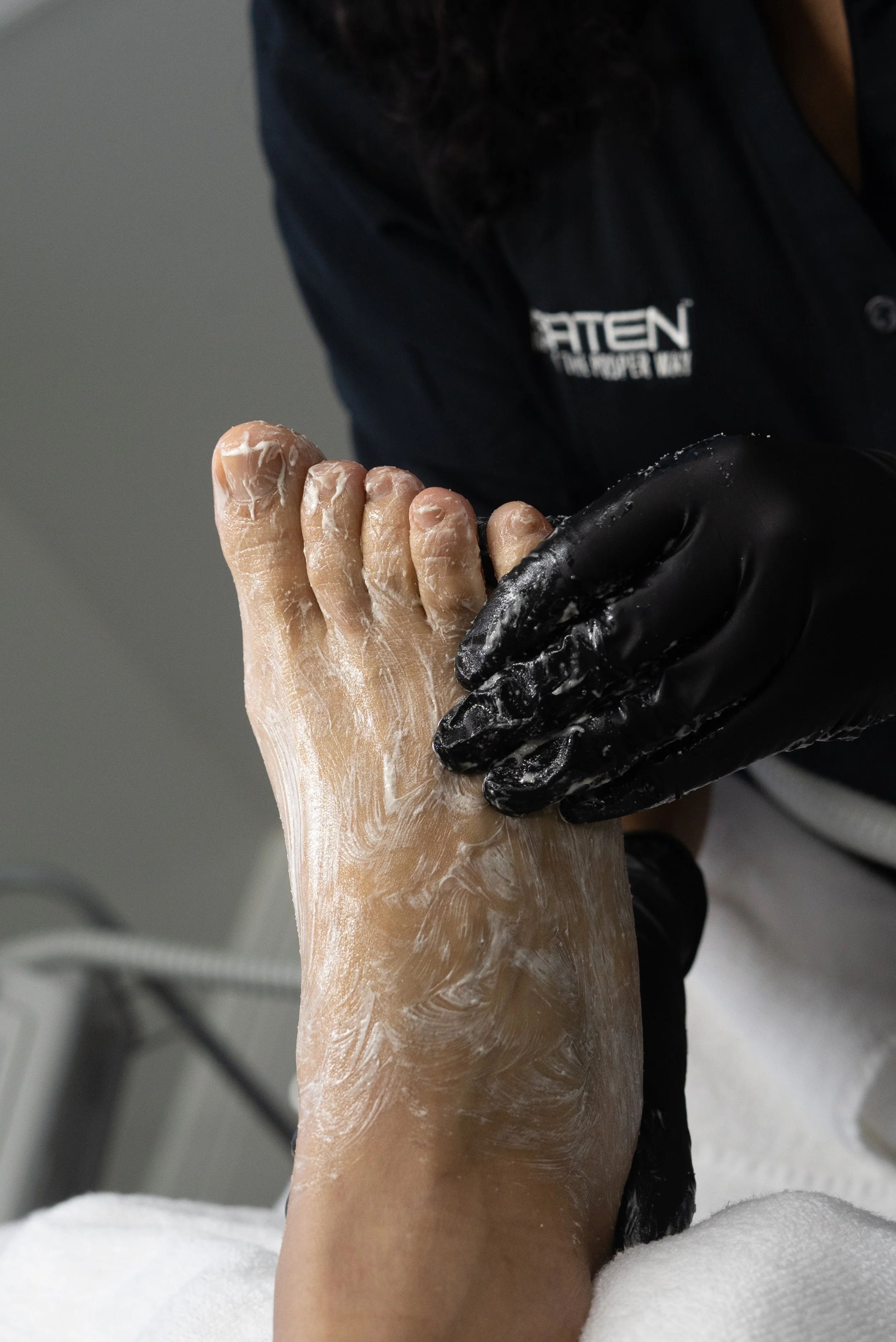
ADVANCED PEDICURE TRAINING FOR NAIL PROFESSIONALS
HOME OF THE NEATEN METHOD™ EDUCATION AND STANDARDS PROGRAM
The NEATEN Method™ is a structured professional foot and nail care methodology developed for licensed nail professionals and professional teams working across salon, spa, and private practice settings. It is designed for professionals who recognize that many persistent nail and skin concerns require thoughtful assessment, conservative technique, preservation, and disciplined decision making.
NEATEN® education is built around assessment, restraint, and disciplined execution to equip professionals to deliver higher-standard foot care while protecting tissue integrity, scope, and long-term outcomes.
Whether you are refining your practice, addressing recurring client issues, or seeking standards-based education, NEATEN professional education is designed to elevate how foot care is delivered and understood in professional settings.
-
1
Licensed nail professionals committed to elevated, standards based specialization, focused on delivering advanced care through refined technique and intentional practice.
-
2
Salon and spa owners, directors, and managers focused on training teams to deliver consistent, responsible care through refined systems and elevated service standards.
-
3
Podiatry and other private practices seeking structured nail care education for clinical support staff who perform routine nail care within their professional scope.
- PA
Professional Advisory Session
- L1
Hands-On NEATEN Method™ Education
- NS
NEATEN Specialist Pathway
- SP
Salon & Spa Partner Education
- PP
Private Practice Partner Education
- PI
NEATEN Method™ Private Instruction
Assessment Before Action
Tissue Preservation
Respect for Natural Nail Structure
Structured Technique
Prevention Over Correction
Responsible Use of Corrective Systems
Documentation and Professional Accountability
Long Term Client Care
NEATEN® professional education is not just about following a fixed sequence. It is about adopting a higher standard of care, where every decision is intentional and every outcome is supported by structure. The result is a more controlled, consistent experience for professionals and clients, built on safety, structure, and elevated standards.
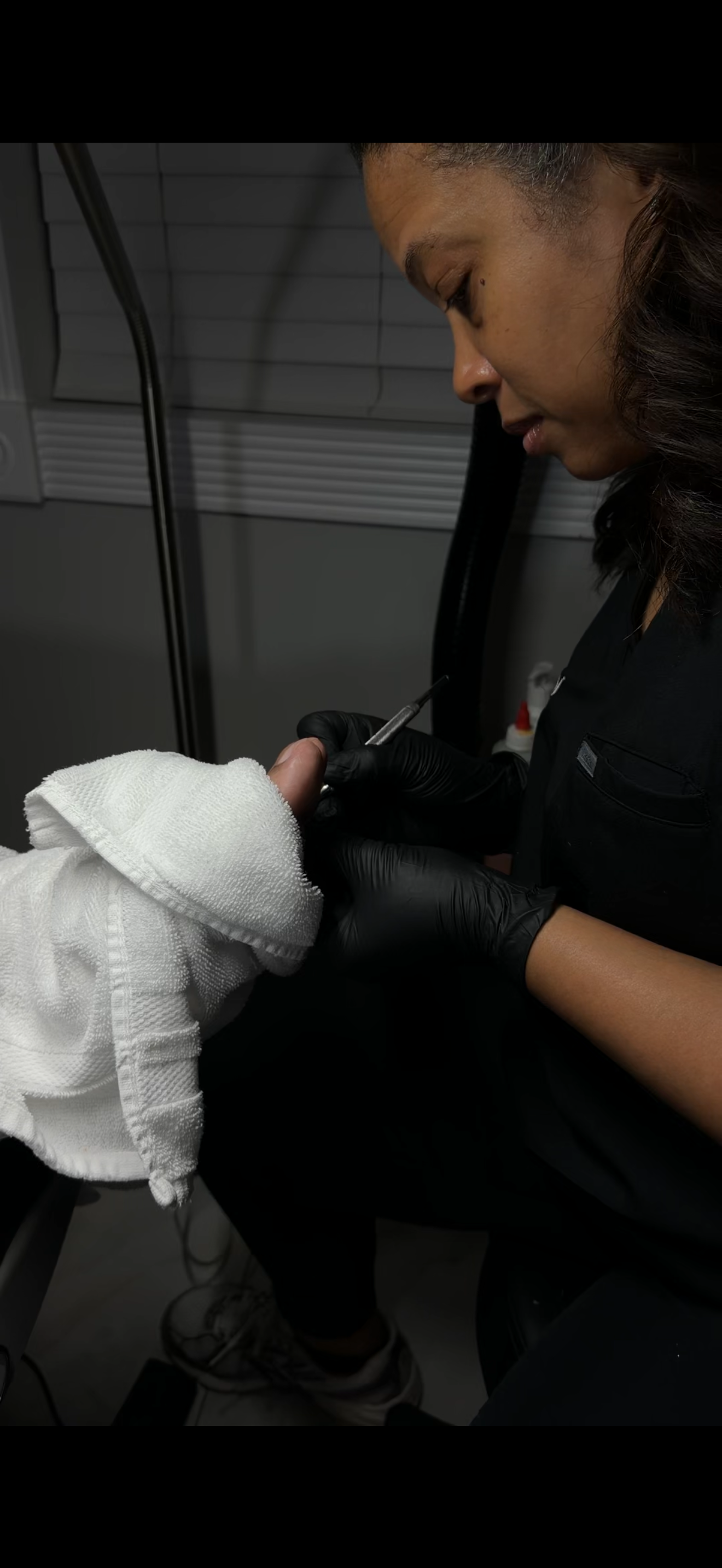
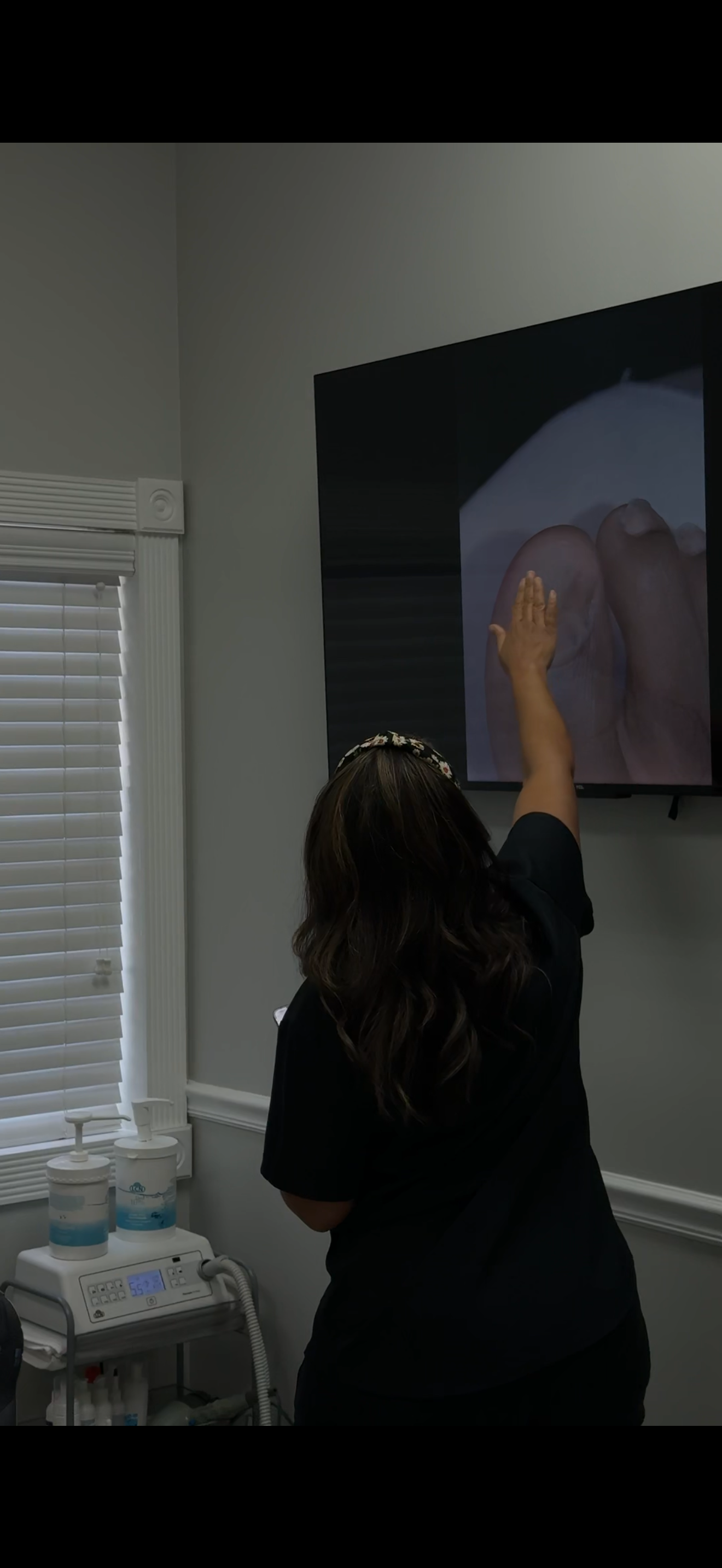
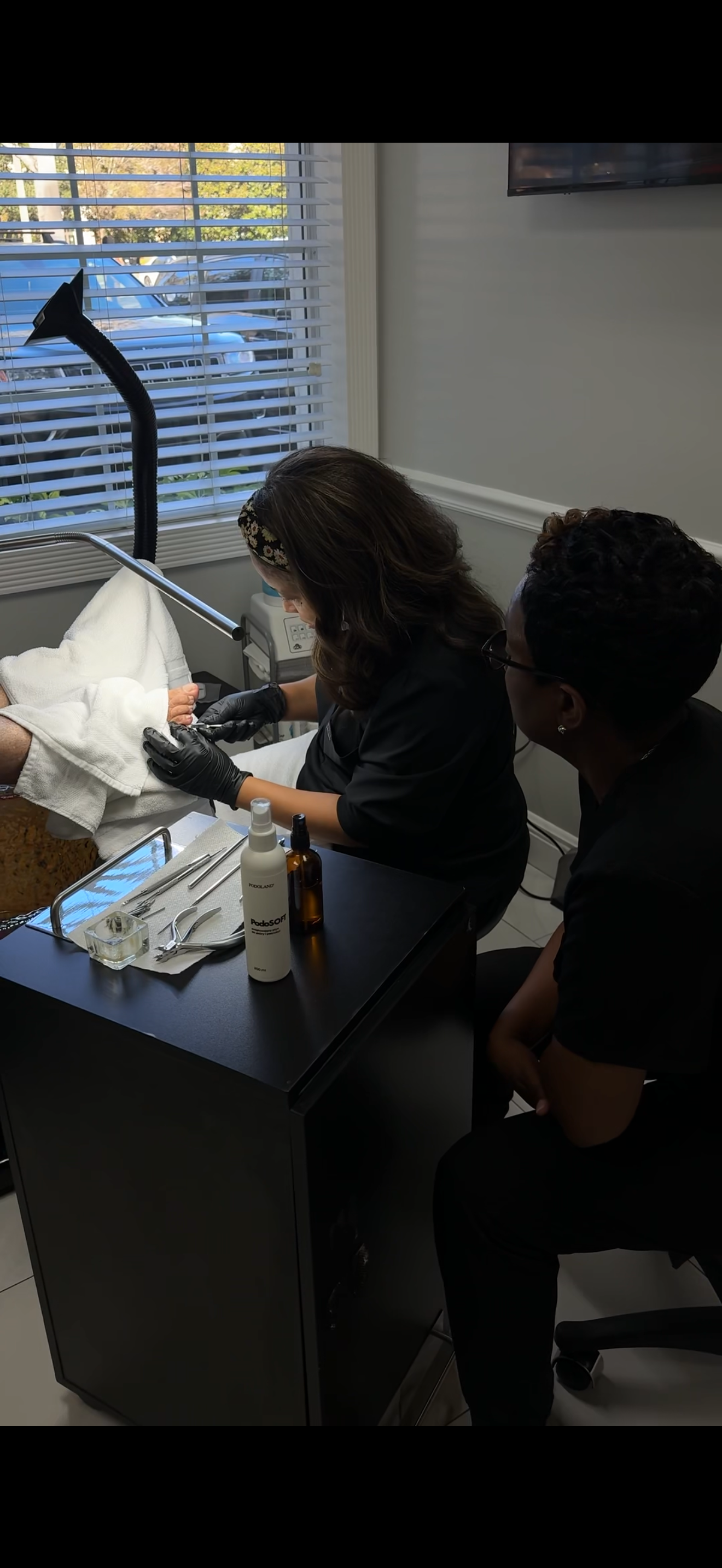
PRINCIPLES OF THE NEATEN METHOD
The NEATEN Method is built on a set of professional principles that guide how nail and skin care of the feet should be approached in a responsible, structured, and client-centered manner.
These principles shape every aspect of the method, from assessment to technique to long-term care.
Assessment Before Action
Professional care begins with observation and assessment. Nail shape, skin condition, pressure patterns, lifestyle factors, and other relevant findings help inform the decisions that follow.
Tissue Preservation
Preserving the integrity of the nail plate and surrounding skin is a core principle of the NEATEN Method. Professionals are taught to use restraint, avoid unnecessary cutting or aggressive cleaning, and minimize practices that may contribute to mechanical damage over time.
Respect for Natural Nail Structure
Healthy nail growth depends on maintaining the natural relationship between the nail plate, nail folds, and surrounding tissue. Techniques are performed in a way that supports normal growth patterns rather than forcing cosmetic outcomes.
Structured Technique
The NEATEN Method provides a structured framework for professional care rather than a fixed sequence of steps. Professionals are taught to work with consistency, clarity, and accountability while adapting technique and decision making to the condition and needs presented.
Prevention Over Correction
Nail and skin concerns can develop or worsen for many reasons, including repeated trauma, pressure, improper technique, and underlying conditions. The NEATEN Method emphasizes responsible care that helps prevent avoidable damage, preserves natural structure, and uses corrective measures only when appropriate.
Responsible Use of Corrective Systems
Corrective techniques, including bracing and other nail correction systems, may be appropriate when nail structure and presentation indicate a need for additional support. Within the NEATEN Method, these approaches are selected thoughtfully, applied conservatively, and used only when supported by proper assessment and within professional scope.
Documentation and Professional Accountability
Clear documentation and visual case tracking are part of responsible professional practice. Professionals are taught to observe patterns, record progress, and use documentation to support consistent decision making and ongoing evaluation.
Long-Term Client Care
The goal of the NEATEN Method is not a single cosmetic result, but the long-term condition and integrity of the nail and surrounding skin. Professionals are taught to prioritize client education, consistency, appropriate maintenance, and ongoing assessment over short-term cosmetic outcomes.
“Education shifts the focus from habit to structure. Each step is guided by intention, not assumption. This is how higher standards are built and maintained.”